
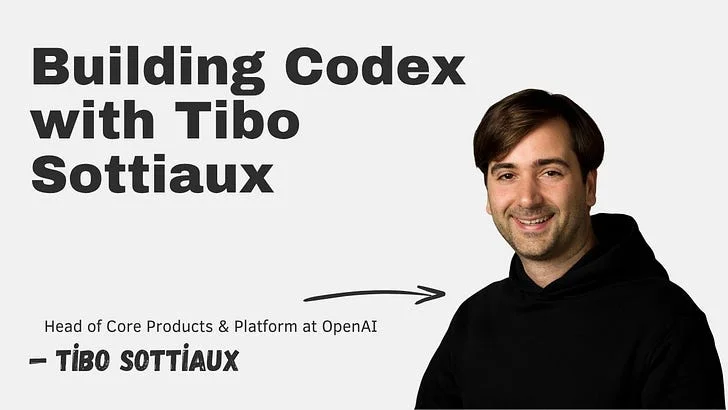
Building Codex with Tibo Sottiaux
7 similar posts
- Codex
- ChatGPT
- Claude Code
- Cursor
- turbopuffer
- Antithesis
- Entire
AI Summary
An interview with Tibo Sottiaux, head of Core Products & Platform at OpenAI, covering the engineering, architecture, and evolution of Codex. The discussion highlights why Codex was built in Rust for performance and scaling, its open-source nature, support for multiple LLM providers, and how AI agents are transforming software development lifecycles, code reviews, and system maintenance.
Key Takeaways
- Codex was written in Rust to ensure performance and efficiency when scaling to millions of cloud machines, despite LLMs being weaker at writing Rust initially.
- Being open source allows Codex to foster community contributions and support multi-model integration, letting users plug in frontier models from various providers.
- The Codex harness provides safety, guardrails, and context injection, shrinking over time as underlying AI models become more capable.
Why it matters
Understanding how frontier AI engineering teams design coding assistants provides valuable architectural insights into high-scale performance choices, harness evolution, and the changing role of software engineering workflows.
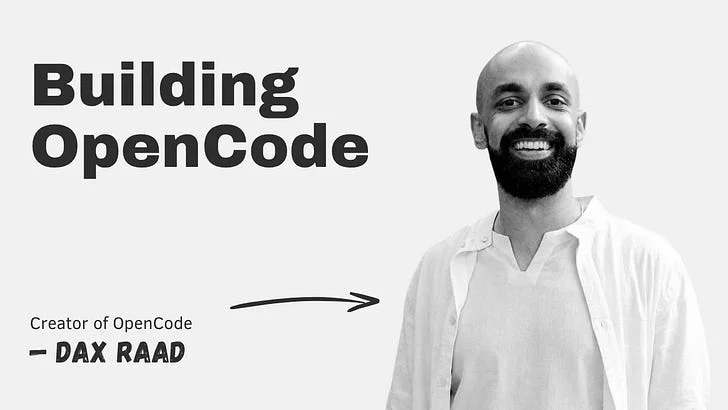
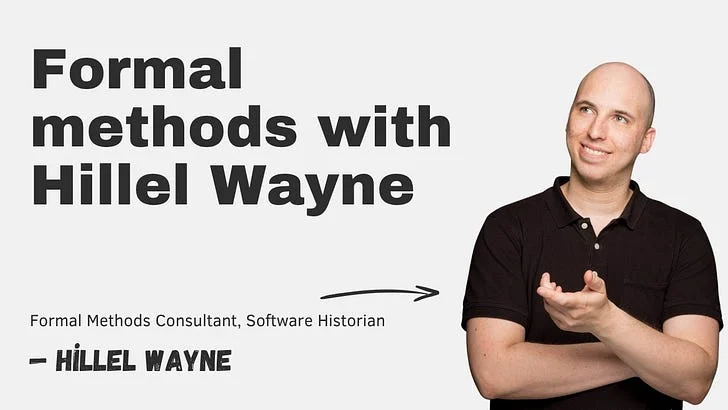
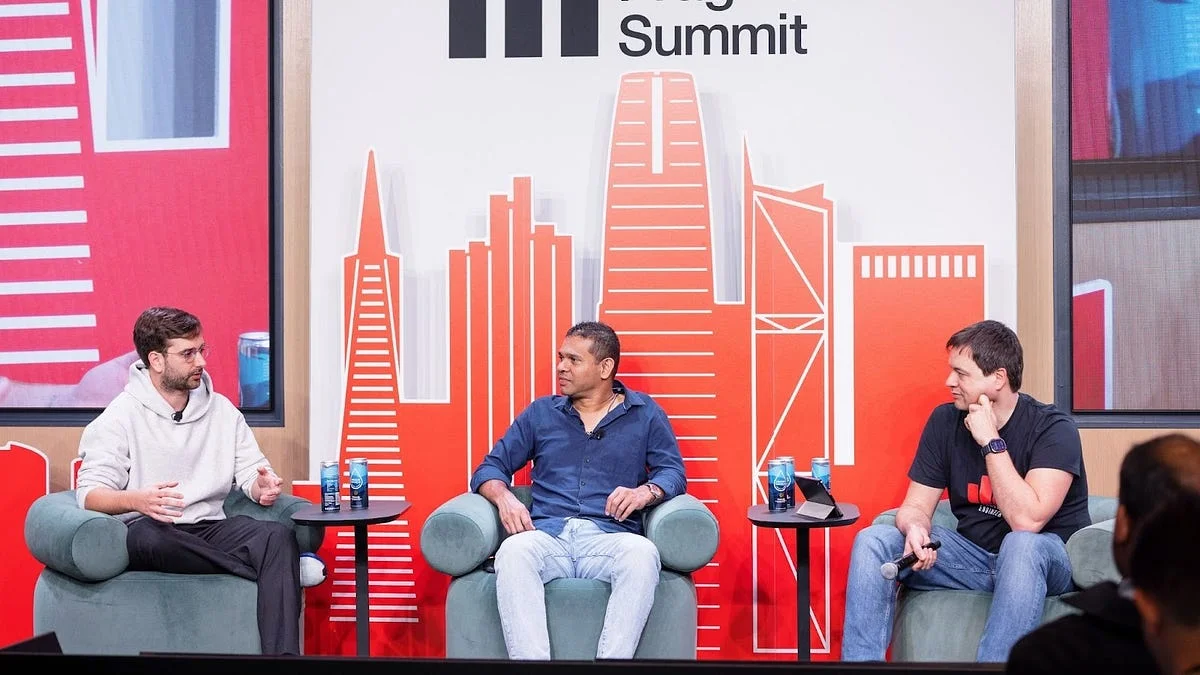
Conversation0
What would you add from your experience?
Checking your session…
Every good conversation starts with one perspective.