

Multi-agent workflows often fail. Here’s how to engineer ones that don’t.
- GitHub Copilot
- GitHub Models
- Model Context Protocol
AI Summary
Multi-agent workflows frequently fail because agents rely on messy natural language and make implicit assumptions about state, ordering, and validation. To build reliable systems, engineers must treat agents like distributed components rather than chat interfaces. Key engineering patterns include enforcing typed schemas for agent data exchange, using strict action schemas to eliminate vague intents, and adopting the Model Context Protocol (MCP) to enforce schemas and structure across tools and resources.
Key Takeaways
- Natural language exchange causes inconsistency; typed schemas enforce machine-checkable data and enable fast failure handling.
- Vague instructions lead to unpredictable agent actions; action schemas constrain outcomes to an explicit set of valid operations.
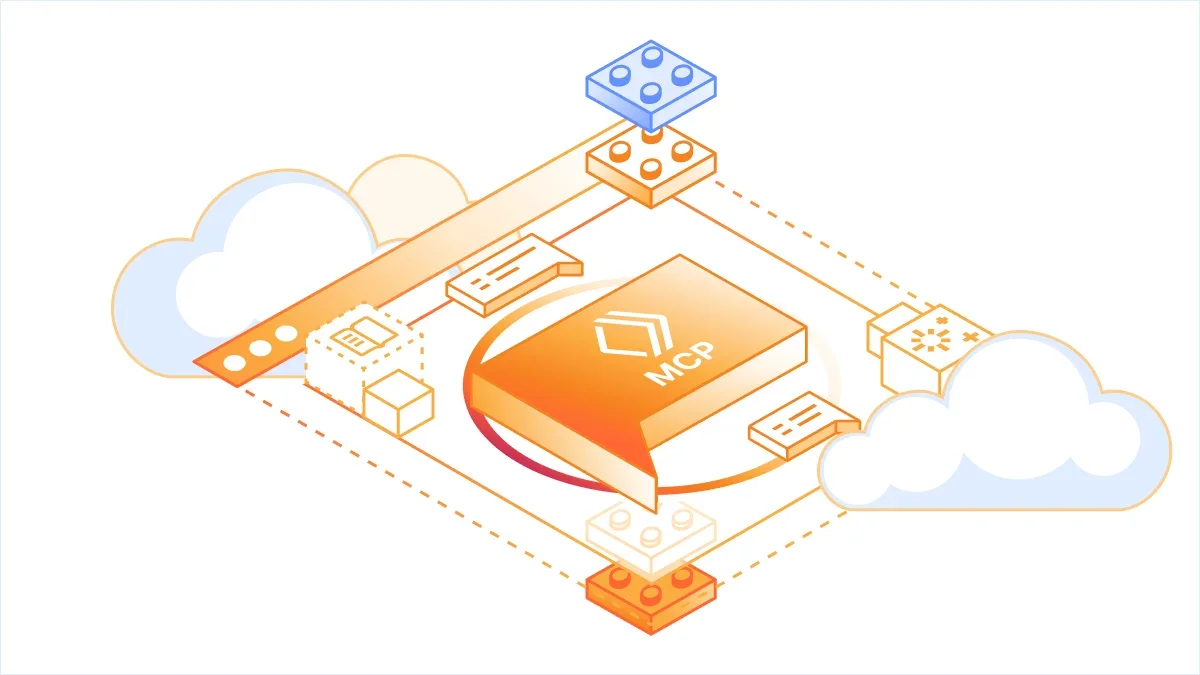
- Model Context Protocol (MCP) acts as an enforcement layer, validating input and output schemas before tool execution.
Why it matters
As software engineering teams increasingly deploy generative AI and automated multi-agent systems for tasks like code reviews, triage, and pull requests, unconstrained agent behavior leads to cascading failures. Applying robust system design patterns—such as strict data contracts and validation layers—ensures that AI agents operate reliably in production without corrupting state.

Conversation0
What would you add from your experience?
Checking your session…
Every good conversation starts with one perspective.